
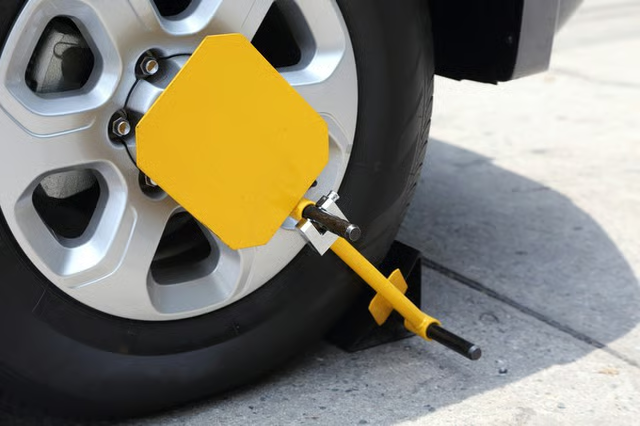
Understanding vehicle repossession in the Philippines is very similar to understanding repossession laws in the United States. The financial institutions, or the creditor holds important rights on the vehicle until the last loan payment is made or the loan is fully paid off. The rights establish a contract preserved by the law and if the payments are late or a default is made on the contract, then the creditor or financial institution has the right to repossess the vehicle.
Car Seizure
The creditor has a legal authority to seize the vehicle as soon as the contract is defaulted on the agreed loan or lease. This includes failing to make a payment on time or failing to meet any other contractual responsibilities. Creditors and loan holders are allowed to trespass on your property to seize the vehicle without notice.
Selling the vehicle
Once the creditor or loan holder has taken possession of the vehicle, they will sell at a public auction. By law in the Philippines, the creditor must let the original holder of the vehicle know what is going to happen with the vehicle. Philippine law also states that in order to reinstate the contract, the participant must pay the amount owed as well as any expenses reflected in the repossession process.
Read More: How to Sell a Vehicle After Discharge in Bankruptcy
Deficienct paying for the vehicle
The creditor is allowed to sue an individual who has not followed the contract for any deficiency. Deficiency is any amount that is left over or owed on the contract after the vehicle has been sold. When a deficiency hearing has taken place, the creditor has the right to seize any property or other saved funds to balance out the contract or pay off the remainder of the amount due as long as the court agrees to the terms.
Talking to the creditor
To prevent a vehicle being repossessed, speak with the creditor. If payments are late, make arrangements or renegotiate a delay in the payment process. A new contract for the terms must be in writing.The creditor still may refuse the accept late payments or make further changes to the contract. They may also demand to have the vehicle returned to them immediately.
Warnings
Any "breach of peace" or "public disturbance" is not allowed during the repossession and removing the vehicle from a closed garage or enclosed property without permission from the owner or land owners is prohibited. In many cases, if creditors or loan holders break this part of the law, then they may end up paying the owner if they harmed the owners or the person that holds the vehicle.