


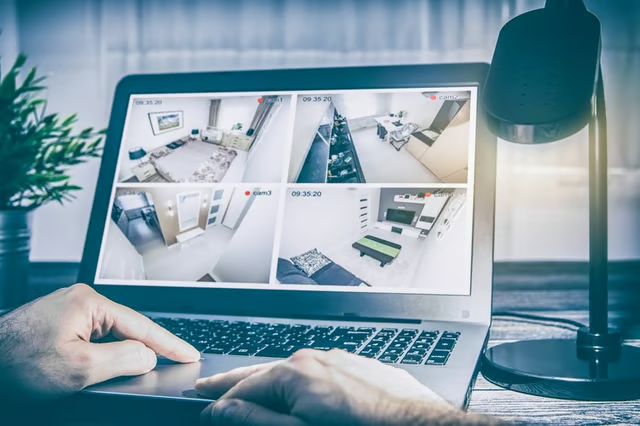
Your home may be your castle, but even a fortress is not impervious to illegal electronic surveillance. Bugs and spycams have become smaller, cheaper, and nearly impossible to detect. But counter-surveillance technology has kept with new devices and can identify even the most sophisticated bugs. With a little vigilance and anti-bugging equipment, you can protect your domicile from illegal surveillance. Consider that no matter how much you stay on guard, the best way to beat illegal surveillance in your home is to discuss private matters outside in a busy atmosphere.
Sweep With Standard Bug Detectors
Many surveillance cameras and audio bugs emit radio waves and can be identified by a standard RF (radio frequency) detection device. Conduct a “sweep” of your home with your bug detector. Surveillance devices are often hidden in walls or ceilings, so look for any spots that appear to be spackled or recently concealed. However, with the decreasing size of surveillance equipment, illegal surveillance can be concealed virtually anywhere. Household objects such as pens, clocks, lamps and even watches may contain devices to see and hear what you are doing. Closely examine your home's windows, as the exterior of windows are excellent places for installing illegal surveillance devices since no one has to break into your home to install them.
Countering More Sophisticated Surveillance
Don’t let down your guard even if you haven’t found anything. Many surveillance devices can switch frequencies or shut on or off to avoid standard detection equipment. And, of course, a device might simply have a dead battery (until someone replaces it). If you think someone has the cash and motivation to install more sophisticated bugs, purchase a counter-surveillance device that can detect the magnetic fields and electrical “noise” produced by computer circuitry.
Read More: Techniques for Surveillance and Counter-Surveillance Tactics
Prevention is Key to Privacy
Conduct “sweeps” of your home on a regular basis. Keep an eye out for any signs of a break-in as well as any strangers that come inside or even near your home. A phony meter reader or telephone repairmen is an old trick, but that doesn’t mean an estranged spouse or business partner wouldn't also try to insert illegal surveillance in your home. Also, securing the perimeter of your home prevents someone from installing surveillance equipment at the outset. Consider purchasing a home security system to prevent break-ins, deter unsavory characters from your property and monitor the whereabouts of individuals you do allow into your private space.